Voter Education for First-Time Voters in Nigeria

If you are about to vote for the first time, congratulations. You are about to exercise one of the most consequential rights you will ever have as a citizen.
This guide is for you — written in plain language, with no jargon, so that when you arrive at the polling unit you know exactly what to do.
Become a Verified Election Agent
Join thousands monitoring polling units across Nigeria in 2027.
Before Election Day
Confirm you have your PVC
Your Permanent Voter Card is the only document that allows you to vote. No PVC, no vote — no exceptions, no appeals.
Confirm your polling unit
Check your polling unit on the INEC voter verification portal before election day. INEC sometimes re-assigns units, and showing up at the wrong place is the most common first-timer mistake.
Plan your time
Polls typically open at 8:30 AM and close at 2:30 PM. Arrive early. Lines are longest between 9 AM and 11 AM.
What to bring
- Your PVC
- A bottle of water
- A snack
- A charged phone (for documenting incidents, not for photographing ballots)
- Comfortable shoes — you may stand for a while
What NOT to bring
- Your phone inside the voting cubicle (using a phone to photograph a ballot is an offence)
- Party colors, t-shirts, or caps (campaigning at a polling unit is illegal)
- Large sums of cash (you may be searched)
At the Polling Unit
Step 1: Join the queue
Find the line for your polling unit. If you are unsure, ask the INEC officials — they will direct you.
Step 2: Accreditation
When you reach the front of the line, the Presiding Officer will ask for your PVC and place it in the BVAS device. The BVAS will try to read your fingerprint. If it fails, it will try facial recognition. Either method is valid.
Once accredited, your name is checked off the register and you are given a ballot paper.
Step 3: Voting
You will be directed to a voting cubicle. Inside, you will find the ballot paper listing all candidates. You mark your choice by thumb-printing next to your candidate's party logo.
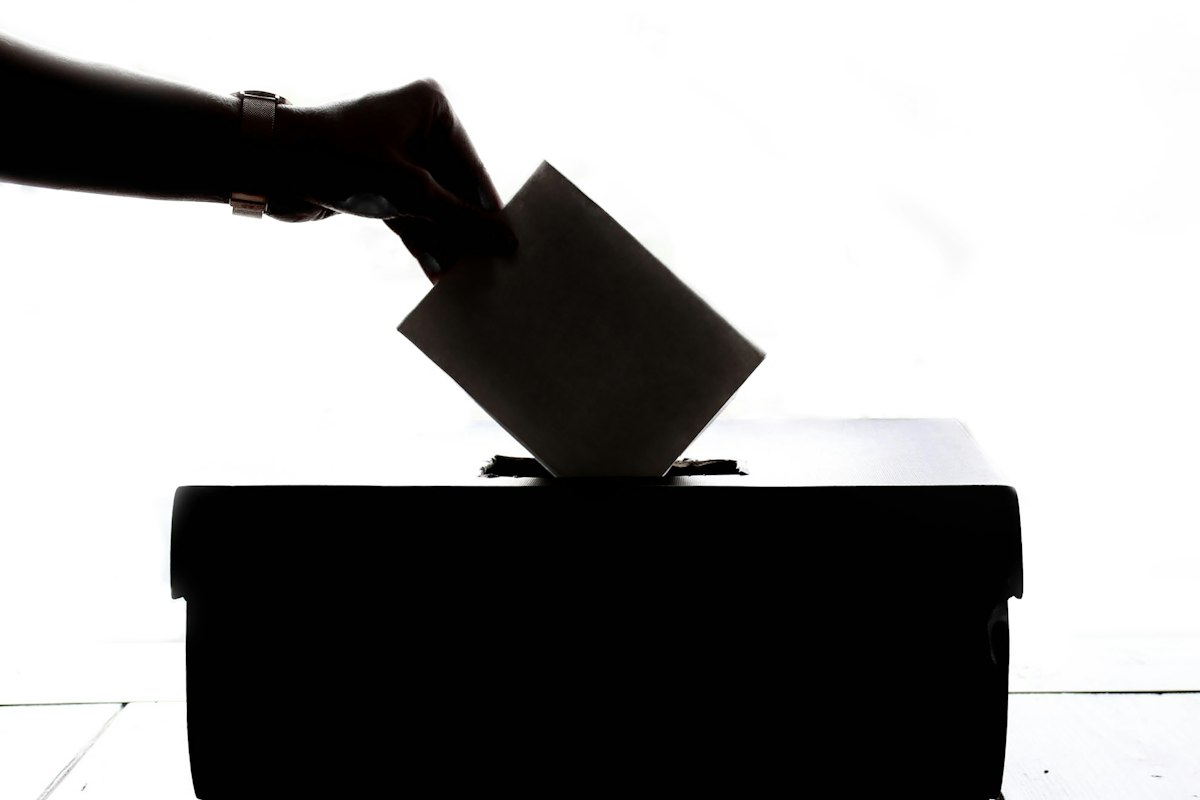
Do not photograph your ballot. Do not show your ballot to anyone. Fold the ballot and drop it in the ballot box in the presence of an INEC official.
Step 4: Wait for the count
After polls close at 2:30 PM (or when the last voter in line has voted), the Presiding Officer opens the ballot box and counts the votes in public. You have the right to stay and watch.
Step 5: Photograph the result
After counting, the Presiding Officer completes Form EC8A — the polling unit result sheet — and displays it. You can photograph this sheet. It is the most important document of the day. Note the time. Note the polling unit code.
Common First-Timer Questions
Can someone help me vote if I am illiterate or disabled? Yes. You may bring a person of your choice to assist you. They must be at least 18 years old and must not be a party agent or INEC official.
What if my fingerprint does not read on the BVAS? The BVAS will switch to facial recognition. You can still vote. Do not leave the line because your fingerprint failed.
What if someone tries to buy my vote? Decline. Vote-buying is an offence. If you can safely photograph the incident, do so and report it through the Watch Nigeria Elections app.
What if I see violence or intimidation? Move to safety first. When it is safe, report the incident with details — location, time, and a description of what happened. Your safety always comes first.
Can I vote if I arrive after 2:30 PM? Only if you were already in the queue before 2:30 PM. INEC's rule is that everyone in line before closing time is allowed to vote.
After You Vote
- Do not campaign outside the polling unit
- Do not share a photograph of your marked ballot (this is an offence)
- You may share that you voted, but not who you voted for
- You can monitor results on IReV and on Watch Nigeria Elections
A Word on Disappointment
Sometimes your candidate will lose. Sometimes the result will be disputed. Sometimes the process will be frustrating.
None of that means your vote did not matter. Every credible vote narrows the space for manipulation. Every young Nigerian who votes for the first time makes the next election a little harder to rig.
Your first vote is the beginning of a lifetime of civic participation. Welcome to the work.
Covering Nigerian politics, elections, security and society. Committed to transparent, fact-based journalism for a better Nigeria.
Related Articles
 Elections
How a Nigerian Election Result Travels: From the Polling Unit to the Final Declaration
Between a vote being counted at a polling unit and a winner being declared, a result passes through several separate stages of collation, each handled by a different official and recorded on a different document. This is the chain — and it is where most disputes about Nigerian elections actually happen.
 Elections
How Nigerian Political Parties Choose Their Candidates: A Guide to Primaries
Before a general election, there is an internal one. Party primaries decide who actually appears on the ballot — and the rules governing them are set in law, not just in party constitutions. This is how candidate selection works in Nigeria, and why the process is often more contested than the election itself.
 Elections
Election Observers Explained: Domestic, International, and Citizen Monitoring in Nigeria
Election observers are the eyes and ears of democracy. But who are they, what do they actually do, and what is the difference between domestic, international, and citizen observers? This guide breaks down the observer ecosystem in Nigeria and explains why every type matters.