How Nigerian Political Parties Choose Their Candidates: A Guide to Primaries
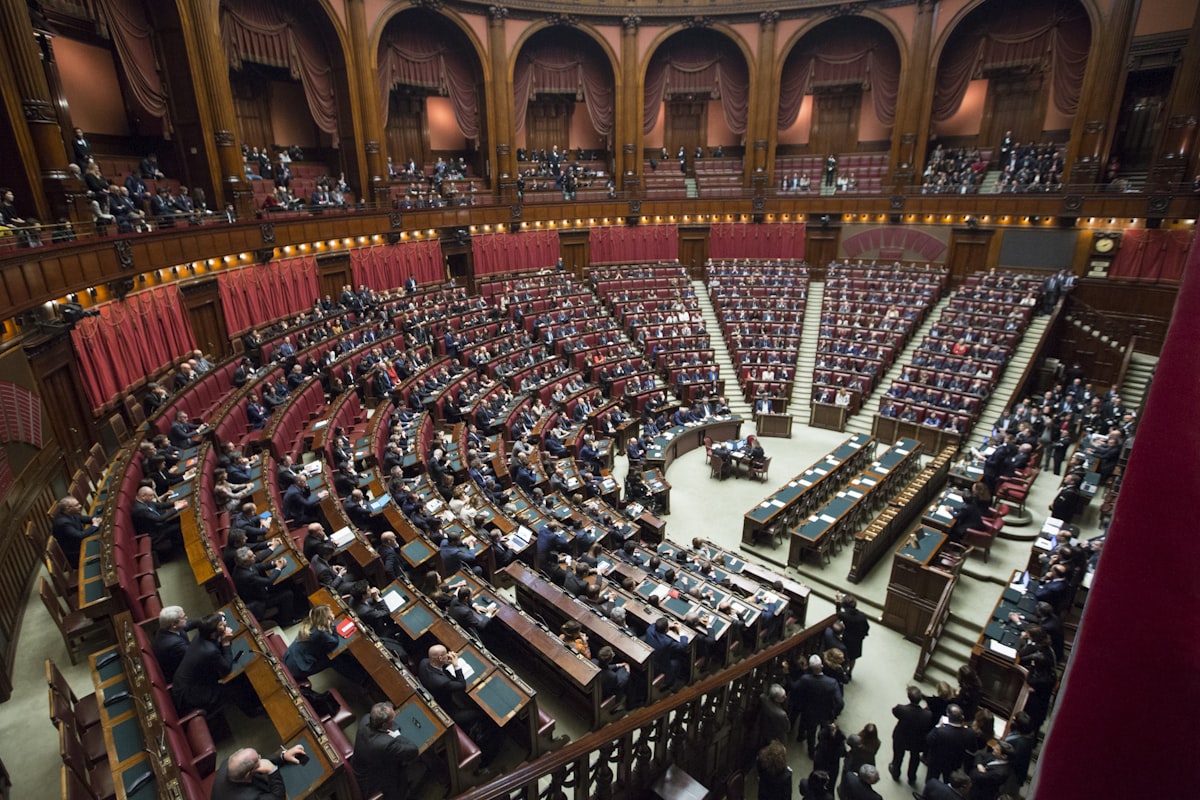
In a general election, voters choose between the candidates on the ballot. But the field of candidates is decided earlier, inside the political parties, through primary elections.
For large parts of the country, the primary is the more decisive contest. In constituencies where one party has historically dominated, winning the primary is often the effective route to the seat. That is why primaries attract so much attention, and why the rules governing them are set out in law rather than left to individual parties.
Become a Verified Election Agent
Join thousands monitoring polling units across Nigeria in 2027.
Why Primaries Are Regulated
Political parties are voluntary associations, and in principle they could choose candidates however they wished. Nigeria's Electoral Act intervenes in that process for a specific reason: the candidates a party nominates become the choices available to the entire electorate. A nomination process that is arbitrary or opaque narrows the public's choice before the public has voted.
The Act therefore imposes requirements on how primaries are conducted, notified, and monitored.
The Two Models: Direct and Indirect Primaries
Nigerian parties use one of two methods.
Indirect (delegate) primaries
Delegates — usually elected at ward, local government or state level — vote on behalf of the wider party membership. The size of the delegate college varies, but it is typically in the hundreds or low thousands. Indirect primaries are the more common model in Nigerian practice.
The criticism of the delegate system is that a relatively small number of people determine a nomination, which concentrates influence among party officials and those who can influence delegates. The advantage cited is practicality: it is easier to organise a delegate election than to verify and administer a vote across an entire state or the whole country.
Direct primaries
All registered members of the party in the relevant constituency are entitled to vote. Direct primaries are more open in principle, and more difficult to administer in practice — they require a credible membership register, which is itself a contested document inside many parties.
The choice between the two models is a party decision. What the law requires is that whichever model is used, the process is conducted in a way that can be observed and verified.
INEC's Role
INEC does not run party primaries. It monitors them. Three requirements are worth knowing:
Notice. A party intending to hold a primary is required to give INEC advance notice — under the Electoral Act, at least 21 days — specifying the date, venue and method of the primary. Notice given at short notice, or not at all, is a departure from the framework.
Monitoring. INEC is entitled to send officials to observe the primary. Monitoring reports become part of the record and have been relied upon in disputes about whether a primary actually took place as claimed.
Documentation. Parties are required to keep proper records of the process and to submit their list of nominated candidates to INEC within the period set by the Act and INEC's timetable.
Nomination and the Candidate List
After primaries, each party submits a list of its nominated candidates to INEC. INEC publishes the list of candidates and their particulars.
This publication step matters more than it might appear. It is the point at which the public can see who is actually on the ballot, what qualifications they claim, and whether the details submitted match what the party announced. Errors and discrepancies identified at this stage can still be addressed.
Changing a Candidate After Nomination
A recurring source of dispute is attempts to substitute a candidate after the nomination list has been submitted.
The framework is deliberately restrictive. Once a party has nominated a candidate, it cannot simply replace that person because it has changed its mind or because a different arrangement has been reached internally. Substitution is permitted only on narrow grounds defined in the Act — most notably death or withdrawal — and subject to procedural requirements.
The reasoning is straightforward: if nominations could be freely changed after primaries, the primary result would be meaningless.
When Primaries Are Disputed
Primary disputes are common, and they take several forms:
Two factions claim to have held the valid primary. Competing National Working Committee factions hold separate exercises and submit separate candidate lists.
Delegates dispute the process. Allegations that a delegate list was altered, that delegates were excluded, or that voting did not follow the notified method.
The notified method differs from the method used. A party gives notice of an indirect primary and conducts a direct one, or the reverse.
Court intervention. Nigerian courts have repeatedly been asked to determine which of two competing primaries was valid, and to decide which candidate a party is entitled to field. A court judgment on a primary can reshape a party's entire slate for an election.
Because primaries take place well before the general election, disputes about them are usually resolved — or at least decided — in advance of election day. But they can have a lasting effect on how a party competes.
What Primaries Reveal About the General Election
Primaries are useful to watch for reasons that go beyond who wins them.
How a party treats its own members is a signal about how it operates. A party that conducts a competitive, orderly primary is demonstrating that it can run a process. A party whose primary collapses into litigation is demonstrating the opposite.
Turnout patterns in primaries indicate how organised a party's structures actually are — particularly whether it can mobilise beyond election day.
Candidate profiles emerge from primaries, and the mix of ages, genders and regions in a party's final list is visible in the published nominations. Nigeria's record on representation of women in elective office is poor, and the primary stage is where that outcome is largely determined.
Why This Stage Matters Most
For a voter, the general election presents a menu. The primaries decide what is on it.
That is why the primary stage is where the standard of a country's politics is most visible — not in the adverts and rallies that follow, but in the internal contests that decide who gets to run at all. A nomination process that is open, notified, monitored and documented produces a ballot that reflects a genuine contest. A nomination process that is not produces a ballot that reflects something else entirely.
The general election is the public verdict. The primary is the shortlist.
Covering Nigerian politics, elections, security and society. Committed to transparent, fact-based journalism for a better Nigeria.
Related Articles
 Elections
How a Nigerian Election Result Travels: From the Polling Unit to the Final Declaration
Between a vote being counted at a polling unit and a winner being declared, a result passes through several separate stages of collation, each handled by a different official and recorded on a different document. This is the chain — and it is where most disputes about Nigerian elections actually happen.
 Elections
Election Observers Explained: Domestic, International, and Citizen Monitoring in Nigeria
Election observers are the eyes and ears of democracy. But who are they, what do they actually do, and what is the difference between domestic, international, and citizen observers? This guide breaks down the observer ecosystem in Nigeria and explains why every type matters.
 Elections
Vote Buying and How to Stop It: A Citizen's Guide to Resisting Electoral Bribery
Vote buying is the most visible form of electoral corruption in Nigeria — and one of the hardest to stop. This guide explains why it persists, how it distorts democracy, what the law says, and what every citizen can do to resist it without risking their safety.